
the resilience blog
the resilience blog

Welcome to the community
Why Is It So Hard to Leave a Narcissist?
Understanding Trauma Bonds, Intermittent
Reinforcement, and the Psychology of
Staying
March 11, 2026
If you’ve ever asked yourself, “Why is it so hard to leave a toxic relationship with a narcissist?” you’re not alone.
This is one of the most common questions narcissistic abuse survivors ask — and it usually comes with a lot of shame attached to it.
You may be able to see the red flags clearly. You may know the relationship’s emotionally abusive. You may have even said to yourself, “I know this isn’t good for me.”
And yet, the thought of leaving can still send you into a spiral.
Your chest tightens. Your body feels heavy. You feel anxious, frozen, and conflicted. You worry you’ll miss them even though you know they’ve hurt you.
Then the self-judgment shows up — why can’t you just leave? What’s wrong with you? Why are you still attached? Why do you miss someone who’s harmed you?
If this is your experience, your difficulty leaving isn’t a sign of weakness. It’s not proof that you like chaos. And it’s not evidence that you’re the problem.
Very real biological, psychological, and nervous system-based dynamics can keep you stuck in a narcissistic relationship. In many cases, what you’re experiencing is a trauma bond.
This article will help you understand why leaving a narcissist can feel so physically painful and psychologically destabilizing, and what’s actually happening inside your brain, body, and attachment system when you try to detach.
What Is a Trauma Bond?
A trauma bond forms when you become deeply attached to someone who also hurts you. That’s what makes it so confusing.
You’re not attached in the context of safety, mutuality, empathy, and respect. You’re attached in the context of harm, unpredictability, and emotional pain.
Trauma bonds don’t just happen in romantic relationships, either. They can also form between parents and children, siblings, bosses and employees, friends, and mentors or spiritual leaders.
Any relationship that combines attachment with harm has the potential to create a trauma bond.
So if you’ve ever felt intensely loyal to someone who repeatedly hurt you, felt responsible for protecting someone who mistreated you, or felt unable to walk away from a relationship you knew was damaging — a trauma bond may be part of the picture.
Why a Trauma Bond Feels So Hard to Break
A trauma bond isn’t just a thought pattern. It’s felt in the nervous system. That’s why leaving can feel less like making a rational decision and more like going through withdrawal.
Part of you wants distance from the pain. Another part of you still longs for connection with the person causing the pain. So you end up in this agonizing internal split: I can’t stay. But I can’t leave. I just want the pain to stop.
At the beginning, most people don’t realize they’re being abused. They simply know there are good days and bad days. Some days, the person is caring, affectionate, or attentive. Other days, they’re rude, critical, passive-aggressive, or manipulative.
Because both versions exist in the same relationship, you don’t want to leave the person. You just want the bad parts to stop. So you try harder. You justify. You apologize. You rationalize. You ask for less. You give more. You try to be more patient, more loving, more understanding.
And all of that effort makes you feel even more invested — which deepens the bond.
Why You Blame Yourself Instead of Seeing the Abuse
One of the cruelest parts of narcissistic abuse is that it often trains you to believe the problem is you. You might start thinking you’re not patient enough, you’re too sensitive, or that if you just handled things better, everything would improve.
This is part of what keeps narcissistic abuse survivors stuck. The focus stays on self-improvement instead of on the harmful pattern. And when you’re already trauma bonded, this mindset makes the relationship feel even more “sticky” — because if the problem is you, then the solution must also be you.
That keeps you working harder to fix something you didn’t create.
Euphoric Recall: Why You Keep Remembering the Good
One of the biggest psychological processes that keeps people in narcissistic relationships is something called euphoric recall — a cognitive distortion where you remember things better than they actually were, or you selectively remember the good while downplaying the bad.
Your brain’s underestimating the harm and overestimating the good. You begin romanticizing isolated moments while forgetting the larger reality around them. You might remember a vacation as proof the relationship was loving, while forgetting that the trip was full of arguments, criticism, or emotional tension. You remember the soup they brought you once, but forget how often they use small acts of care to excuse larger patterns of harm.
Euphoric recall tends to get especially strong when they threaten abandonment, give you the silent treatment, when things temporarily calm down, or when your nervous system’s exhausted and looking for relief.
It becomes very easy in those moments to convince yourself to stay.
Why Your Nervous System Wants Comfort From the Person Hurting You
This is one of the most confusing parts of trauma bonding. When you’re overwhelmed, dysregulated, and emotionally depleted, your attachment system naturally looks for comfort. But in a narcissistic relationship, the person you’re attached to is also the person harming you.
So the very person causing the wound also becomes the person your nervous system seeks for relief. This creates a devastating loop — you hurt because of them, then you want comfort from them, and then the bond gets reinforced again.
This is one reason survivors often feel ashamed that they still miss the person or want contact after being hurt. But it isn’t irrational.
It’s how attachment plus harm gets wired into the nervous system.
Intermittent Reinforcement: The Psychology Behind Why You Stay
Another major factor that makes narcissistic relationships so hard to leave is intermittent reinforcement — a psychological principle where a reward is given unpredictably and sporadically. When rewards come randomly, we become more motivated to keep chasing them. It’s the same principle that makes gambling, social media, and video games feel addictive.
In narcissistic relationships, the “reward” might be a good day after a string of awful ones, a rare apology, a kind word, unexpected affection, or even just a day that feels less bad. And that’s often enough to reactivate hope. You think maybe they’re changing, maybe things are getting better, maybe you just need to give it more time.
This is how the trauma bond tightens — because you aren’t staying for constant love. You’re staying for intermittent relief.
Breadcrumbing and the ‘Addiction’ to Small Amounts of Care
Narcissists are often very skilled at breadcrumbing — giving you tiny, inconsistent bits of affection, praise, attention, or connection, just enough to keep you invested. When you’ve been emotionally starved, even the smallest scraps can feel deeply meaningful.
You start learning to survive on less and less — a kind text, one decent conversation, a slightly calmer evening, one compliment after weeks of criticism.
Over time, your nervous system becomes conditioned to chase these tiny moments of relief. And because unexpected rewards trigger more dopamine than expected ones, your brain becomes even more motivated to keep pursuing them.
The Narcissistic Cycle of Abuse
Another reason these relationships feel so hard to leave is the narcissistic cycle of abuse: idealize, devalue, discard, and hoover. This cycle can happen over months, weeks, days, or even within a single conversation — and that’s part of what makes narcissistic abuse so destabilizing. You’re constantly being thrown off balance.
You keep hoping the good version will come back. You keep trying to get back to how it was in the beginning. You keep believing that if you could just do better, the good days would return.
Meanwhile, the narcissist often convinces you that the bad days are your fault — so you start working harder to “earn” the return of their warmth. That’s how the cycle keeps going.
Why Calm Starts to Feel Unsafe
One of the more subtle effects of long-term narcissistic abuse is that calm itself can start to feel unsafe. At first, you long for peace. But over time, if the relationship’s highly unpredictable, you begin to associate calm with the build-up to the next storm. You might feel more anxious when things are “fine,” constantly anticipate the next conflict, or even feel relief when an argument finally starts because the waiting’s over.
That doesn’t mean you like chaos. It means your nervous system’s been conditioned to expect it.
When chaos becomes familiar, calm can feel unfamiliar — and what’s unfamiliar often feels unsafe until healing begins. This is why survivors sometimes wonder if they’re somehow addicted to the drama. But you’re not addicted to drama. You’re conditioned to expect instability.
Why You Feel Frozen, Numb, or Unable to Leave
When your nervous system’s been under chronic stress for a long time, you may move into freeze mode — emotional numbness, paralysis, shutdown, passivity, difficulty taking action, or feeling like you’re just going through the motions. At that point, it can be hard to trust yourself, access your needs, or make clear decisions.
You may know logically that the relationship’s unhealthy. But your body may feel unable to move. That’s not because you’re weak.
It’s because chronic relational trauma can overwhelm the nervous system to the point that it stops trying to “fight or flight” and starts “freezing” to conserve energy and prepare for the conflict.
Why the Trauma Bond Keeps the Focus on You
A huge part of the trauma bond is the lie that if you were just better, calmer, easier, more loving, or less reactive, the relationship would improve. That belief keeps your attention locked onto yourself — what did you do wrong, what should you have said differently, how can you make this better, how can you be enough for them?
And while you’re focused on “fixing” yourself, you’re less able to clearly see the pattern of abuse. That’s one of the main ways narcissistic dynamics keep people stuck. The problem’s never allowed to stay where it belongs: With the narcissist.
the resilience blog
Welcome to the community
Why Is It So Hard to Leave a Narcissist?
Understanding Trauma Bonds, Intermittent
Reinforcement, and the Psychology of
Staying
March 11, 2026
If you’ve ever asked yourself, “Why is it so hard to leave a toxic relationship with a narcissist?” you’re not alone.
This is one of the most common questions narcissistic abuse survivors ask — and it usually comes with a lot of shame attached to it.
You may be able to see the red flags clearly. You may know the relationship’s emotionally abusive. You may have even said to yourself, “I know this isn’t good for me.”
And yet, the thought of leaving can still send you into a spiral.
Your chest tightens. Your body feels heavy. You feel anxious, frozen, and conflicted. You worry you’ll miss them even though you know they’ve hurt you.
Then the self-judgment shows up — why can’t you just leave? What’s wrong with you? Why are you still attached? Why do you miss someone who’s harmed you?
If this is your experience, your difficulty leaving isn’t a sign of weakness. It’s not proof that you like chaos. And it’s not evidence that you’re the problem.
Very real biological, psychological, and nervous system-based dynamics can keep you stuck in a narcissistic relationship. In many cases, what you’re experiencing is a trauma bond.
This article will help you understand why leaving a narcissist can feel so physically painful and psychologically destabilizing, and what’s actually happening inside your brain, body, and attachment system when you try to detach.
What Is a Trauma Bond?
A trauma bond forms when you become deeply attached to someone who also hurts you. That’s what makes it so confusing.
You’re not attached in the context of safety, mutuality, empathy, and respect. You’re attached in the context of harm, unpredictability, and emotional pain.
Trauma bonds don’t just happen in romantic relationships, either. They can also form between parents and children, siblings, bosses and employees, friends, and mentors or spiritual leaders.
Any relationship that combines attachment with harm has the potential to create a trauma bond.
So if you’ve ever felt intensely loyal to someone who repeatedly hurt you, felt responsible for protecting someone who mistreated you, or felt unable to walk away from a relationship you knew was damaging — a trauma bond may be part of the picture.
Why a Trauma Bond Feels So Hard to Break
A trauma bond isn’t just a thought pattern. It’s felt in the nervous system. That’s why leaving can feel less like making a rational decision and more like going through withdrawal.
Part of you wants distance from the pain. Another part of you still longs for connection with the person causing the pain. So you end up in this agonizing internal split: I can’t stay. But I can’t leave. I just want the pain to stop.
At the beginning, most people don’t realize they’re being abused. They simply know there are good days and bad days. Some days, the person is caring, affectionate, or attentive. Other days, they’re rude, critical, passive-aggressive, or manipulative.
Because both versions exist in the same relationship, you don’t want to leave the person. You just want the bad parts to stop. So you try harder. You justify. You apologize. You rationalize. You ask for less. You give more. You try to be more patient, more loving, more understanding.
And all of that effort makes you feel even more invested — which deepens the bond.
Why You Blame Yourself Instead of Seeing the Abuse
One of the cruelest parts of narcissistic abuse is that it often trains you to believe the problem is you. You might start thinking you’re not patient enough, you’re too sensitive, or that if you just handled things better, everything would improve.
This is part of what keeps narcissistic abuse survivors stuck. The focus stays on self-improvement instead of on the harmful pattern. And when you’re already trauma bonded, this mindset makes the relationship feel even more “sticky” — because if the problem is you, then the solution must also be you.
That keeps you working harder to fix something you didn’t create.
Euphoric Recall: Why You Keep Remembering the Good
One of the biggest psychological processes that keeps people in narcissistic relationships is something called euphoric recall — a cognitive distortion where you remember things better than they actually were, or you selectively remember the good while downplaying the bad.
Your brain’s underestimating the harm and overestimating the good. You begin romanticizing isolated moments while forgetting the larger reality around them. You might remember a vacation as proof the relationship was loving, while forgetting that the trip was full of arguments, criticism, or emotional tension. You remember the soup they brought you once, but forget how often they use small acts of care to excuse larger patterns of harm.
Euphoric recall tends to get especially strong when they threaten abandonment, give you the silent treatment, when things temporarily calm down, or when your nervous system’s exhausted and looking for relief.
It becomes very easy in those moments to convince yourself to stay.
Why Your Nervous System Wants Comfort From the Person Hurting You
This is one of the most confusing parts of trauma bonding. When you’re overwhelmed, dysregulated, and emotionally depleted, your attachment system naturally looks for comfort. But in a narcissistic relationship, the person you’re attached to is also the person harming you.
So the very person causing the wound also becomes the person your nervous system seeks for relief. This creates a devastating loop — you hurt because of them, then you want comfort from them, and then the bond gets reinforced again.
This is one reason survivors often feel ashamed that they still miss the person or want contact after being hurt. But it isn’t irrational.
It’s how attachment plus harm gets wired into the nervous system.
Intermittent Reinforcement: The Psychology Behind Why You Stay
Another major factor that makes narcissistic relationships so hard to leave is intermittent reinforcement — a psychological principle where a reward is given unpredictably and sporadically. When rewards come randomly, we become more motivated to keep chasing them. It’s the same principle that makes gambling, social media, and video games feel addictive.
In narcissistic relationships, the “reward” might be a good day after a string of awful ones, a rare apology, a kind word, unexpected affection, or even just a day that feels less bad. And that’s often enough to reactivate hope. You think maybe they’re changing, maybe things are getting better, maybe you just need to give it more time.
This is how the trauma bond tightens — because you aren’t staying for constant love. You’re staying for intermittent relief.
Breadcrumbing and the ‘Addiction’ to Small Amounts of Care
Narcissists are often very skilled at breadcrumbing — giving you tiny, inconsistent bits of affection, praise, attention, or connection, just enough to keep you invested. When you’ve been emotionally starved, even the smallest scraps can feel deeply meaningful.
You start learning to survive on less and less — a kind text, one decent conversation, a slightly calmer evening, one compliment after weeks of criticism.
Over time, your nervous system becomes conditioned to chase these tiny moments of relief. And because unexpected rewards trigger more dopamine than expected ones, your brain becomes even more motivated to keep pursuing them.
The Narcissistic Cycle of Abuse
Another reason these relationships feel so hard to leave is the narcissistic cycle of abuse: idealize, devalue, discard, and hoover. This cycle can happen over months, weeks, days, or even within a single conversation — and that’s part of what makes narcissistic abuse so destabilizing. You’re constantly being thrown off balance.
You keep hoping the good version will come back. You keep trying to get back to how it was in the beginning. You keep believing that if you could just do better, the good days would return.
Meanwhile, the narcissist often convinces you that the bad days are your fault — so you start working harder to “earn” the return of their warmth. That’s how the cycle keeps going.
Why Calm Starts to Feel Unsafe
One of the more subtle effects of long-term narcissistic abuse is that calm itself can start to feel unsafe. At first, you long for peace. But over time, if the relationship’s highly unpredictable, you begin to associate calm with the build-up to the next storm. You might feel more anxious when things are “fine,” constantly anticipate the next conflict, or even feel relief when an argument finally starts because the waiting’s over.
That doesn’t mean you like chaos. It means your nervous system’s been conditioned to expect it.
When chaos becomes familiar, calm can feel unfamiliar — and what’s unfamiliar often feels unsafe until healing begins. This is why survivors sometimes wonder if they’re somehow addicted to the drama. But you’re not addicted to drama. You’re conditioned to expect instability.
Why You Feel Frozen, Numb, or Unable to Leave
When your nervous system’s been under chronic stress for a long time, you may move into freeze mode — emotional numbness, paralysis, shutdown, passivity, difficulty taking action, or feeling like you’re just going through the motions. At that point, it can be hard to trust yourself, access your needs, or make clear decisions.
You may know logically that the relationship’s unhealthy. But your body may feel unable to move. That’s not because you’re weak.
It’s because chronic relational trauma can overwhelm the nervous system to the point that it stops trying to “fight or flight” and starts “freezing” to conserve energy and prepare for the conflict.
Why the Trauma Bond Keeps the Focus on You
A huge part of the trauma bond is the lie that if you were just better, calmer, easier, more loving, or less reactive, the relationship would improve. That belief keeps your attention locked onto yourself — what did you do wrong, what should you have said differently, how can you make this better, how can you be enough for them?
And while you’re focused on “fixing” yourself, you’re less able to clearly see the pattern of abuse. That’s one of the main ways narcissistic dynamics keep people stuck. The problem’s never allowed to stay where it belongs: With the narcissist.
Welcome to the community
Why Is It So Hard to Leave a Narcissist?
Understanding Trauma Bonds, Intermittent
Reinforcement, and the Psychology of
Staying
March 11, 2026
If you’ve ever asked yourself, “Why is it so hard to leave a toxic relationship with a narcissist?” you’re not alone.
This is one of the most common questions narcissistic abuse survivors ask — and it usually comes with a lot of shame attached to it.
You may be able to see the red flags clearly. You may know the relationship’s emotionally abusive. You may have even said to yourself, “I know this isn’t good for me.”
And yet, the thought of leaving can still send you into a spiral.
Your chest tightens. Your body feels heavy. You feel anxious, frozen, and conflicted. You worry you’ll miss them even though you know they’ve hurt you.
Then the self-judgment shows up — why can’t you just leave? What’s wrong with you? Why are you still attached? Why do you miss someone who’s harmed you?
If this is your experience, your difficulty leaving isn’t a sign of weakness. It’s not proof that you like chaos. And it’s not evidence that you’re the problem.
Very real biological, psychological, and nervous system-based dynamics can keep you stuck in a narcissistic relationship. In many cases, what you’re experiencing is a trauma bond.
This article will help you understand why leaving a narcissist can feel so physically painful and psychologically destabilizing, and what’s actually happening inside your brain, body, and attachment system when you try to detach.
What Is a Trauma Bond?
A trauma bond forms when you become deeply attached to someone who also hurts you. That’s what makes it so confusing.
You’re not attached in the context of safety, mutuality, empathy, and respect. You’re attached in the context of harm, unpredictability, and emotional pain.
Trauma bonds don’t just happen in romantic relationships, either. They can also form between parents and children, siblings, bosses and employees, friends, and mentors or spiritual leaders.
Any relationship that combines attachment with harm has the potential to create a trauma bond.
So if you’ve ever felt intensely loyal to someone who repeatedly hurt you, felt responsible for protecting someone who mistreated you, or felt unable to walk away from a relationship you knew was damaging — a trauma bond may be part of the picture.
Why a Trauma Bond Feels So Hard to Break
A trauma bond isn’t just a thought pattern. It’s felt in the nervous system. That’s why leaving can feel less like making a rational decision and more like going through withdrawal.
Part of you wants distance from the pain. Another part of you still longs for connection with the person causing the pain. So you end up in this agonizing internal split: I can’t stay. But I can’t leave. I just want the pain to stop.
At the beginning, most people don’t realize they’re being abused. They simply know there are good days and bad days. Some days, the person is caring, affectionate, or attentive. Other days, they’re rude, critical, passive-aggressive, or manipulative.
Because both versions exist in the same relationship, you don’t want to leave the person. You just want the bad parts to stop. So you try harder. You justify. You apologize. You rationalize. You ask for less. You give more. You try to be more patient, more loving, more understanding.
And all of that effort makes you feel even more invested — which deepens the bond.
Why You Blame Yourself Instead of Seeing the Abuse
One of the cruelest parts of narcissistic abuse is that it often trains you to believe the problem is you. You might start thinking you’re not patient enough, you’re too sensitive, or that if you just handled things better, everything would improve.
This is part of what keeps narcissistic abuse survivors stuck. The focus stays on self-improvement instead of on the harmful pattern. And when you’re already trauma bonded, this mindset makes the relationship feel even more “sticky” — because if the problem is you, then the solution must also be you.
That keeps you working harder to fix something you didn’t create.
Euphoric Recall: Why You Keep Remembering the Good
One of the biggest psychological processes that keeps people in narcissistic relationships is something called euphoric recall — a cognitive distortion where you remember things better than they actually were, or you selectively remember the good while downplaying the bad.
Your brain’s underestimating the harm and overestimating the good. You begin romanticizing isolated moments while forgetting the larger reality around them. You might remember a vacation as proof the relationship was loving, while forgetting that the trip was full of arguments, criticism, or emotional tension. You remember the soup they brought you once, but forget how often they use small acts of care to excuse larger patterns of harm.
Euphoric recall tends to get especially strong when they threaten abandonment, give you the silent treatment, when things temporarily calm down, or when your nervous system’s exhausted and looking for relief.
It becomes very easy in those moments to convince yourself to stay.
Why Your Nervous System Wants Comfort From the Person Hurting You
This is one of the most confusing parts of trauma bonding. When you’re overwhelmed, dysregulated, and emotionally depleted, your attachment system naturally looks for comfort. But in a narcissistic relationship, the person you’re attached to is also the person harming you.
So the very person causing the wound also becomes the person your nervous system seeks for relief. This creates a devastating loop — you hurt because of them, then you want comfort from them, and then the bond gets reinforced again.
This is one reason survivors often feel ashamed that they still miss the person or want contact after being hurt. But it isn’t irrational.
It’s how attachment plus harm gets wired into the nervous system.
Intermittent Reinforcement: The Psychology Behind Why You Stay
Another major factor that makes narcissistic relationships so hard to leave is intermittent reinforcement — a psychological principle where a reward is given unpredictably and sporadically. When rewards come randomly, we become more motivated to keep chasing them. It’s the same principle that makes gambling, social media, and video games feel addictive.
In narcissistic relationships, the “reward” might be a good day after a string of awful ones, a rare apology, a kind word, unexpected affection, or even just a day that feels less bad. And that’s often enough to reactivate hope. You think maybe they’re changing, maybe things are getting better, maybe you just need to give it more time.
This is how the trauma bond tightens — because you aren’t staying for constant love. You’re staying for intermittent relief.
Breadcrumbing and the ‘Addiction’ to Small Amounts of Care
Narcissists are often very skilled at breadcrumbing — giving you tiny, inconsistent bits of affection, praise, attention, or connection, just enough to keep you invested. When you’ve been emotionally starved, even the smallest scraps can feel deeply meaningful.
You start learning to survive on less and less — a kind text, one decent conversation, a slightly calmer evening, one compliment after weeks of criticism.
Over time, your nervous system becomes conditioned to chase these tiny moments of relief. And because unexpected rewards trigger more dopamine than expected ones, your brain becomes even more motivated to keep pursuing them.
The Narcissistic Cycle of Abuse
Another reason these relationships feel so hard to leave is the narcissistic cycle of abuse: idealize, devalue, discard, and hoover. This cycle can happen over months, weeks, days, or even within a single conversation — and that’s part of what makes narcissistic abuse so destabilizing. You’re constantly being thrown off balance.
You keep hoping the good version will come back. You keep trying to get back to how it was in the beginning. You keep believing that if you could just do better, the good days would return.
Meanwhile, the narcissist often convinces you that the bad days are your fault — so you start working harder to “earn” the return of their warmth. That’s how the cycle keeps going.
Why Calm Starts to Feel Unsafe
One of the more subtle effects of long-term narcissistic abuse is that calm itself can start to feel unsafe. At first, you long for peace. But over time, if the relationship’s highly unpredictable, you begin to associate calm with the build-up to the next storm. You might feel more anxious when things are “fine,” constantly anticipate the next conflict, or even feel relief when an argument finally starts because the waiting’s over.
That doesn’t mean you like chaos. It means your nervous system’s been conditioned to expect it.
When chaos becomes familiar, calm can feel unfamiliar — and what’s unfamiliar often feels unsafe until healing begins. This is why survivors sometimes wonder if they’re somehow addicted to the drama. But you’re not addicted to drama. You’re conditioned to expect instability.
Why You Feel Frozen, Numb, or Unable to Leave
When your nervous system’s been under chronic stress for a long time, you may move into freeze mode — emotional numbness, paralysis, shutdown, passivity, difficulty taking action, or feeling like you’re just going through the motions. At that point, it can be hard to trust yourself, access your needs, or make clear decisions.
You may know logically that the relationship’s unhealthy. But your body may feel unable to move. That’s not because you’re weak.
It’s because chronic relational trauma can overwhelm the nervous system to the point that it stops trying to “fight or flight” and starts “freezing” to conserve energy and prepare for the conflict.
Why the Trauma Bond Keeps the Focus on You
A huge part of the trauma bond is the lie that if you were just better, calmer, easier, more loving, or less reactive, the relationship would improve. That belief keeps your attention locked onto yourself — what did you do wrong, what should you have said differently, how can you make this better, how can you be enough for them?
And while you’re focused on “fixing” yourself, you’re less able to clearly see the pattern of abuse. That’s one of the main ways narcissistic dynamics keep people stuck. The problem’s never allowed to stay where it belongs: With the narcissist.
Free Masterclass
The Narcissist’s Playbook
How They Keep You Stuck in Guilt, Self-Doubt, and Exhaustion

Free Masterclass
The Narcissist’s Playbook
How They Keep You Stuck in Guilt, Self-Doubt, and Exhaustion
Free Masterclass
The Narcissist’s Playbook
How They Keep You Stuck in Guilt, Self-Doubt, and Exhaustion
The Breakdown
Here’s a breakdown of the key dynamics that make it so hard to leave:
- Trauma bonding creates deep attachment to the person hurting you, making detachment feel like withdrawal
- Self-blame keeps your focus on fixing yourself rather than recognizing the abusive pattern
- Euphoric recall causes your brain to overestimate the good and underestimate the harm
- Nervous system wiring makes you seek comfort from the very person causing your pain
- Intermittent reinforcement keeps you chasing rare moments of relief, just like a slot machine
- Breadcrumbing conditions you to survive on smaller and smaller amounts of care
- The abuse cycle constantly throws you off balance and makes you work harder to “earn” the good version back
- Freeze response can make you feel physically and emotionally unable to take action, even when you want to leave
The Takeaway
If it’s been incredibly hard to leave a toxic relationship with a narcissist, that doesn’t reflect on you, or your worth. It likely means a trauma bond has formed — and trauma bonds aren’t just emotional, they’re biological, psychological, and deeply wired into your nervous system.
But here’s what’s also true: trauma bonds are powerful, but they aren’t permanent.
Once you understand how intermittent reinforcement, euphoric recall, and the narcissistic cycle of abuse work together, you can start to break the pattern. You don’t have to stay trapped in guilt, self-doubt, and exhaustion forever.
Healing is possible.
And my goal is to help every survivor know how to get there!
Want to Go Deeper?
If this resonates with you and you want a deeper understanding of how narcissists keep you stuck in guilt, self-doubt, and emotional exhaustion, my free masterclass, The Narcissist’s Playbook, is a helpful next step.
In it, I reveal the core lies narcissists use to keep people trapped and show you how to begin breaking free from those patterns.
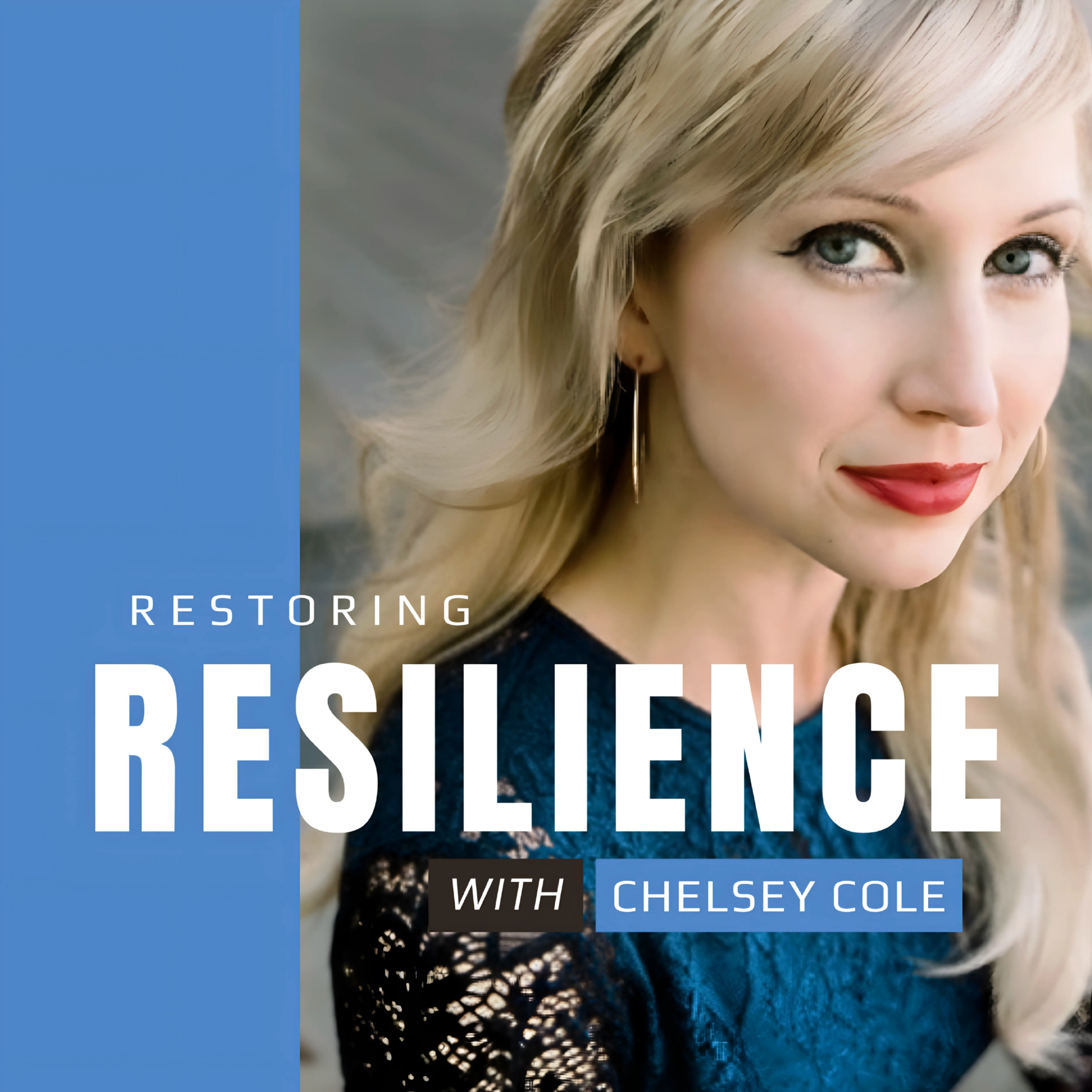
You can also listen to the full episode on this topic on my podcast Restoring Resilience for a deeper walkthrough of trauma bonds, nervous system conditioning, and why leaving a narcissist can feel so hard.
And remember, no matter where you are in your healing journey, resilience can be restored. We’ll keep building it, together.
The breakdown…
Here’s a breakdown of the key dynamics that make it so hard to leave:
- Trauma bonding creates deep attachment to the person hurting you, making detachment feel like withdrawal
- Self-blame keeps your focus on fixing yourself rather than recognizing the abusive pattern
- Euphoric recall causes your brain to overestimate the good and underestimate the harm
- Nervous system wiring makes you seek comfort from the very person causing your pain
- Intermittent reinforcement keeps you chasing rare moments of relief, just like a slot machine
- Breadcrumbing conditions you to survive on smaller and smaller amounts of care
- The abuse cycle constantly throws you off balance and makes you work harder to “earn” the good version back
- Freeze response can make you feel physically and emotionally unable to take action, even when you want to leave
The takeaway…
If it’s been incredibly hard to leave a toxic relationship with a narcissist, that doesn’t reflect on you, or your worth. It likely means a trauma bond has formed — and trauma bonds aren’t just emotional, they’re biological, psychological, and deeply wired into your nervous system.
But here’s what’s also true: trauma bonds are powerful, but they aren’t permanent.
Once you understand how intermittent reinforcement, euphoric recall, and the narcissistic cycle of abuse work together, you can start to break the pattern. You don’t have to stay trapped in guilt, self-doubt, and exhaustion forever.
Healing is possible.
And my goal is to help every survivor know how to get there!
Want to Go Deeper?
If this resonates with you and you want a deeper understanding of how narcissists keep you stuck in guilt, self-doubt, and emotional exhaustion, my free masterclass, The Narcissist’s Playbook, is a helpful next step.
In it, I reveal the core lies narcissists use to keep people trapped and show you how to begin breaking free from those patterns.
You can also listen to the full episode on this topic on my podcast Restoring Resilience for a deeper walkthrough of trauma bonds, nervous system conditioning, and why leaving a narcissist can feel so hard.
And remember, no matter where you are in your healing journey, resilience can be restored. We’ll keep building it, together.
The breakdown…
Here’s a breakdown of the key dynamics that make it so hard to leave:
- Trauma bonding creates deep attachment to the person hurting you, making detachment feel like withdrawal
- Self-blame keeps your focus on fixing yourself rather than recognizing the abusive pattern
- Euphoric recall causes your brain to overestimate the good and underestimate the harm
- Nervous system wiring makes you seek comfort from the very person causing your pain
- Intermittent reinforcement keeps you chasing rare moments of relief, just like a slot machine
- Breadcrumbing conditions you to survive on smaller and smaller amounts of care
- The abuse cycle constantly throws you off balance and makes you work harder to “earn” the good version back
- Freeze response can make you feel physically and emotionally unable to take action, even when you want to leave
The takeaway…
If it’s been incredibly hard to leave a toxic relationship with a narcissist, that doesn’t reflect on you, or your worth. It likely means a trauma bond has formed — and trauma bonds aren’t just emotional, they’re biological, psychological, and deeply wired into your nervous system.
But here’s what’s also true: trauma bonds are powerful, but they aren’t permanent.
Once you understand how intermittent reinforcement, euphoric recall, and the narcissistic cycle of abuse work together, you can start to break the pattern. You don’t have to stay trapped in guilt, self-doubt, and exhaustion forever.
Healing is possible.
And my goal is to help every survivor know how to get there!
Want to Go Deeper?
If this resonates with you and you want a deeper understanding of how narcissists keep you stuck in guilt, self-doubt, and emotional exhaustion, my free masterclass, The Narcissist’s Playbook, is a helpful next step.
In it, I reveal the core lies narcissists use to keep people trapped and show you how to begin breaking free from those patterns.
You can also listen to the full episode on this topic on my podcast Restoring Resilience for a deeper walkthrough of trauma bonds, nervous system conditioning, and why leaving a narcissist can feel so hard.
And remember, no matter where you are in your healing journey, resilience can be restored. We’ll keep building it, together.
Start building your RESILIENCE today!
My healing began because of this book!
-Michelle
Get my best selling book:


Start building your RESILIENCE today!
My healing began because of this book!
-Michelle
Get my best selling book:
Start building your RESILIENCE today!
Get my best selling book:
My healing began because of this book!
-Michelle
Additional resources…





Additional resources…
Additional resources…